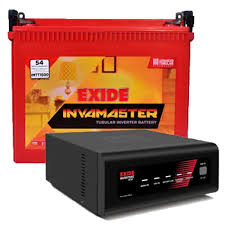
Inverter battery maintenanceis the secret to ensuring your home never stays in the dark during Kerala’s frequent power cuts. Whether you are using a tubular battery or a flat plate one, proper care can extend your battery life by years, saving you thousands in replacement costs.
AtFutura Tech Service, the most trustedinverter suppliers in Cochin, we want to help you understand the science behind your power backup. In this guide, we will explore everything from Ah capacity to the golden rules of charging.
Most people searching for thebest inverter battery brandin Kochi see "Ah" on the label. Ah stands for Ampere-hour, which measures the total electrical charge a battery can store.
Technically, 1 Ah equals 3,600 Coulombs of charge. Think of this as the size of your fuel tank. For a deeper look at the physics of electricity, you can read more abouthow lead-acid batteries work here.
2. How to Calculate Your Battery Backup Time
Knowing your backup time helps in betterinverter battery maintenance. The formula is simple: Hours of use = Battery Capacity (Ah) / Current Load (Amps)
For example, a 40 Ah battery running a 2 Amp load will last 20 hours in theory. However, in the humid climate of Kochi, efficiency can drop due to heat, which is why professional maintenance is vital.
3. The 12V Structure: Why Voltage Matters
A standard 12V battery is made of 6 cells.
Full Charge: 13.2V DC
Empty/Discharge Limit: 10.8V DC
Warning: Never let your battery drop below 10.8V. Doing so causes permanent chemical damage to the internal plates.
4. 7 Expert Tips for Inverter Battery Maintenance
To keep your system running perfectly, follow these professional steps:
Check Water Levels Monthly: Kochi's heat causes evaporation. Only use distilled water.
Clean Terminal Corrosion: Use a mixture of hot water and baking soda to remove white lead sulphate deposits.
Keep it Airy: Ensure the battery is placed in a well-ventilated area to prevent overheating.
The 10% Charging Rule: Always charge at 10% of the total Ah capacity (e.g., 4A for a 40Ah battery).
Avoid Fast Charging: Heavy charging "boils" the electrolyte and shortens lifespan.
Regular Usage: Even if there are no power cuts, discharge the battery once a month to keep the chemicals active.
Inspect for Leaks: Check the casing for cracks or bulges regularly.
5. Frequently Asked Questions (FAQ)
Which is the best battery shop near me in Kochi? Futura Tech Service offers doorstep delivery and installation across Ernakulam, making us the most convenient choice for local residents.
Does temperature affect inverter battery maintenance? Yes. High temperatures in Kerala can accelerate the chemical reaction, meaning you need to check water levels more frequently in the summer months.
Should I buy a 150Ah or 200Ah battery? This depends on your load. If you run multiple fans and a fridge, a 200Ah battery provides a more reliable "budget" of power.
Why Choose Futura Tech Service?
If you are looking for reliableinverters in Kochi, look no further. We don't just sell products; we provide long-term support.
Properinverter battery maintenancestarts with a high-quality installation. Visit ourServices Page(Internal Link) to book a maintenance check-up or browse ourInverter Products(Internal Link) to upgrade your home today.
Contact Futura Tech Service Kochi today for expert advice and the best prices in Kerala!
When it comes to powering your home or business in Kochi, Kerala, India, with an inverter, understanding battery specifications is crucial. Many focus solely on Ah (Ampere Hour), but at Futura Tech Service, we emphasize the importance of the C-Rating. This often-overlooked detail dictates discharge duration, solar efficiency, and overall performance under various loads. Let's break down the C10 and C20 batteries to help you make an informed decision for your inverter battery needs.
Understanding C-Rating: The Heart of Your Battery's Performance
The 'C' in C-Rating stands for capacity, and the number following it indicates the number of hours over which the battery is designed to be discharged at a specific rate. This directly impacts its suitability for different applications.
The Powerhouse: C10 Battery for Solar & Heavy Usage
A C10 battery is engineered to discharge its full capacity over a 10-hour period. This design makes it the superior choice for demanding applications:
Solar Inverters: If you have a solar system installed by Futura Tech Service, a C10 battery is your best bet. It's designed to efficiently store and utilize the energy harvested from solar panels, ensuring maximum benefit from your renewable energy source.
Heavy Usage & Deep Discharge: C10 batteries excel at handling deep discharge cycles, making them robust for situations with high power consumption or frequent outages. They offer consistent, strong performance even under substantial loads.
While the initial price might be slightly higher, the C10's long-term performance and durability often justify the investment, especially for solar solutions and heavy-duty requirements.
The Everyday Hero: C20 Battery for Normal Inverter/UPS Backup
Conversely, a C20 battery is calculated to discharge its capacity over a 20-hour period. This makes it highly suitable for more standard backup needs:
Home Use & Small Office: For typical inverter/UPS backups in homes or small offices, a C20 battery provides excellent value. It's designed for light to medium loads, offering reliable power during outages.
Cost-Effective Solution: C20 batteries are generally more affordable, making them an attractive option for those on a budget who still require dependable backup power.
Although a C20 battery might be less efficient in a purely solar setup, its performance for traditional inverter backup is more than adequate. For many households and small businesses in Kochi, a C20 battery from Futura Tech Service is a perfectly sensible and economical choice.
Beyond C-Rating: The Importance of Warranty and Budget
Here's a crucial tip from Futura Tech Service: The market dynamics for inverter batteries have evolved. The price and quality are no longer solely dictated by the C10 or C20 rating. Instead, the replacement warranty has become a primary indicator of a battery's quality and expected lifespan.
Warranty Matters: A battery with a 3-year warranty will fall into a different price and quality bracket compared to one offering a 5-year warranty. Always compare the warranty periods when making your purchase.
Budget Alignment: Naturally, your budget will play a significant role. Futura Tech Service offers a range of batteries to fit various budgets while ensuring quality and reliability.
Keeping your inverter battery well-maintained is crucial for ensuring a reliable power backup system, especially in areas with frequent power outages. Proper care not only extends the life of your battery but also ensures its efficiency. Here are five important tips from Futura Tech Service, your trusted experts in Kochi, Kerala, India, on how to top up your inverter battery safely and effectively.
1. Prioritize Safety: Power Down Before You Top Up
Safety should always be your number one concern when dealing with electrical appliances. Before you even think about opening your inverter battery, follow these critical steps:
Switch off the inverter: Locate the main power switch on your inverter and turn it off.
Disconnect the main power supply: Ensure no electricity is flowing to the inverter by turning off the relevant circuit breaker or unplugging it from the wall.
Bypass the inverter supply: If your setup allows, bypass the inverter to completely isolate it from the power grid. This eliminates any risk of electric shock during the topping-up process.
2. How to Accurately Check Your Inverter Battery Water Level
Modern inverter batteries are designed with user-friendliness in mind. Typically, an inverter battery has six individual cells or chambers, each equipped with its own indicator.
Locate the indicators: You'll find six indicators, one for each chamber.
Understand the levels: These indicators usually have clear markings for "High" and "Low" water levels. Visually inspect each indicator to determine if the water level has dropped below the recommended mark.
3. The Right Quantity: Don't Overfill Your Inverter Battery
Knowing how much water to add is just as important as knowing when to add it. Overfilling can lead to significant problems, including acid spillage.
Maintain the 1-inch rule: When topping up, carefully pour water until it reaches approximately 1 inch below the top of the internal plates or the 'High' level mark on the indicator.
Prevent spillage: Filling beyond this point increases the risk of electrolyte overflow during the battery charging cycle, which can corrode your inverter, flooring, and pose a safety hazard.
4. Choose the Right Liquid: Always Use Distilled Water
This is a non-negotiable tip for inverter battery maintenance. Only use distilled water for topping up your battery.
Why distilled water? Tap water contains minerals and impurities that can accumulate on the battery plates, leading to corrosion, reduced battery life, and decreased efficiency. Distilled water is free of these contaminants, ensuring your battery functions optimally.
Where to find it: High-quality distilled water is readily available at most battery shops, auto parts stores, and even petrol pumps across Kochi, Kerala, and beyond. Always opt for a reputable brand to ensure purity.
5. Proper Filling Technique & Post-Maintenance Care for Your Inverter Battery
Once you have your distilled water and have ensured all safety precautions are in place, it's time to fill the battery:
Equal distribution: Aim to fill each of the six chambers with an equal amount of distilled water, ensuring all indicators show the appropriate "High" level.
Use a funnel: For convenience and to prevent spillage, using a clean plastic funnel is highly recommended.
Cleanliness is key: After filling, meticulously wipe down the top surface of the battery with a clean, dry cloth. Any spilled electrolyte or water can lead to corrosion or attract dirt. Ensure the battery surface and surrounding area are clean and dry.
Replace indicators: Carefully re-insert the water level indicators into each chamber, ensuring they are securely fitted.
Power up safely: Once you're certain everything is clean and properly reassembled, you can reverse the initial safety steps: first, switch on the inverter's main power, and then restore the electricity supply to the inverter.
By following these essential inverter battery maintenance tips from Futura Tech Service, you can significantly enhance the lifespan and performance of your power backup system. Regular checks and proper topping-up procedures are key to ensuring your inverter battery from brands like Exide, Amaron, and others, provides uninterrupted power when you need it most. For professional inverter and battery repair, sales, and service in Kochi, Kerala, India, trust Futura Tech Service!
Living in an area with occasional power outages? Looking to harness the sun’s energy for your home or small shop without breaking the bank? You’re in the right place! We’re diving into a solar inverter solution that offers reliability and efficiency on a smaller budget.
Say hello to the V-GUARD Solsmart 1500 MPPT. This versatile inverter allows you to connect up to 1000 watts of solar panels, making it an excellent choice for essential daytime current use or even nightly backup.
Let’s explore how you can integrate this inverter into your setup.
Scenario 1: Daytime Power with Backup
If your shop or home has a continuous load of around 500 watts during the day, you can utilize the Solsmart 1500 MPPT to its full potential as a live solar power system.
Solar Panels: Connect up to 1000 watts of solar panels.
Battery: Pair it with a solar battery with a minimum capacity of 200Ah.
In this configuration, your system will run primarily on solar power during the day, significantly reducing your electricity bills. Plus, it seamlessly switches to inverter mode during power outages, ensuring your essential appliances stay powered. It’s truly a dual-purpose powerhouse!
Scenario 2: Nighttime Use & Backup (When Daytime Use is Minimal)
What if your daytime power consumption is low, but you need reliable power at night or during outages? This combo is for you:
Solar Panels: Connect up to 600 watts of solar panels.
Battery: A 200Ah solar battery will be ideal
Here’s how it works: Your solar panels will efficiently charge the battery throughout the day. The stored energy can then be used in the evening (typically 4 PM – 10 PM, depending on your load). Crucially, it also acts as a robust inverter, providing essential backup power whenever the grid goes down.
Smart Monitoring at Your Fingertips
One of the standout features of the Solsmart 1500 MPPT inverter is its online monitoring capability via a mobile app. Keep an eye on your system’s performance, battery status, and energy generation from anywhere – truly convenient!
Budget-Friendly Investment
The best part? This entire setup can be achieved within an estimated budget of approximately ₹50,000 – ₹60,000. For those who prefer to spread out their investment, you can initially purchase just the inverter and solar battery to use it as a standard inverter, adding solar panels later when your budget allows.
Important Considerations:
Battery Choice: If possible, always go for a C.10 solar battery, preferably 200Ah for optimal performance.
After-Sales Service: Purchase your inverter and battery from a reputable shop that offers reliable after-sales service. This is crucial for long-term peace of mind.
The best part? This entire setup can be achieved within an estimated budget of approximately ₹50,000 – ₹60,000. For those who prefer to spread out their investment, you can initially purchase just the inverter and solar battery to use it as a standard inverter, adding solar panels later when your budget allows.
Are you looking to find reliable inverter sales and repair professionals in Kochi?
Sales and Repair for your inverter and battery in Kochi is essential when things go wrong. Are you looking to find reliable inverter sales and repair professionals in Kochi? If your home or office inverter or battery suddenly shows an error or stops working, the question, “How do I find a good inverter repair & service center in Kochi?” will likely come to mind. While a search engine might provide numerous results, it’s crucial to verify the legitimacy of the company.
Key Factors for Choosing a Reliable Inverter Sale & Repair Center in Kochi
Here are key factors to consider to ensure quality service for your product:
Authorization Certificate from the OEM: Ensure the service center possesses a valid authorization certificate from the Original Equipment Manufacturer (OEM). This confirms their expertise with specific brands
Properly Trained Technicians: Confirm that the service technicians have received adequate, OEM-certified training
Use of Genuine Parts: Inquire whether the service center uses genuine spare parts for all repairs to maintain performance and warranty.
Detailed Service Report: You should always request a detailed service report after the repair, outlining the work done and parts replaced.
Being aware of these points will help you find a reliable partner and ensure quality repair and service for your inverter and battery.
Futura Tech Service: Your Authorized Inverter & Battery Sales and Repair Partner in Kochi
Futura Tech Service is your comprehensive solution for inverter and battery sales, repair, and service in Kochi, Kerala, India. We are proud to be an authorized dealer for leading inverter and battery brands including Exide, Luminous, V-Guard, Amaron, and Microtek.
Furthermore, we are the authorized service center for Exide, Luminous, V-Guard, Amaron, and Microtek inverters and batteries. This means you get manufacturer-backed expertise and genuine parts every time.
If you require expert repair and service for your inverter or battery, or if you have any doubts or require assistance, please feel free to contact Futura Tech Service today!
Inverter and Battery Guide 2025: Navigating Your Power Backup Options
In today’s rapidly evolving world, both technology and consumer needs are constantly changing. As electricity costs become a growing concern, homeowners are increasingly investing time in researching inverter batteries. This comprehensive guide aims to answer the most common questions customers face when considering an inverter and battery system, helping you make an informed decision for reliable power.
Question 1: Lead-Acid vs. Lithium-Ion Batteries – Which is Right for You?
One of the first decisions you’ll encounter is choosing between lead-acid and lithium-ion battery technologies. Both have their merits, but their suitability depends on your priorities. Lithium-ion batteries are an excellent choice if:
Budget is not a primary concern.
Yor prefer minimal maintenance
You desire a significantly longer battery lifespan
Lead-acid batteries have been a reliable and cost-effective solution for many years. However, the increasing popularity of lithium-ion can be attributed to several key advantages:
Virtual maintenance free operation
Extended battery life compared to lead - acid
Question 2: What Inverter Battery Capacity (Ah) Do You Need?
An inverter system comprises both a battery and an inverter unit. The battery’s Ampere-hour (Ah) rating dictates the duration of your power backup, while the inverter’s wattage determines the total load (appliances) it can power.
Your first step is to assess your backup duration requirements. Single batteries up to 200 Ah are commonly available.
For 2 - 3 Bedroom Homes (Infrequent Power Cuts) : A 150 Ah battery is often adequate
Usage Examples : 2 - 3 fans and few lights typically provide 5 to 6 hours of backup
Extended Usage: Using only 2 fans at night could extend backup to 10-12 hours.
For Higher Consumption: If you plan to use 4 fans and lights, a 200 Ah battery would offer 10-12 hours of backup
Full-Day Backup / High-Wattage Appliances:
For Extended power outages (Example : Full day) requiring backup for basic appliances (mixer grinder,Fan,)a dual system is recommended.
To power high-wattage appliances like an AC unit or a water pump motor, you’ll need a much more powerful system, potentially requiring more than three batteries, depending on your specific load.
In summary, for consumers using small appliances like lights, fans, TVs, and mixers, a single 150-200 Ah inverter battery is generally sufficient. Always ensure you pair it with a well-matched inverter.
Question 3: How to Select the Right Inverter Capacity (Wattage)?
Modern homes feature increased electrical loads due to factors like multiple lighting fixtures (e.g., in false ceilings), numerous electronic devices (CCTV, Wi-Fi routers, mobile chargers), and even though BLDC fans are more efficient, the sheer quantity of devices adds up.
When selecting an inverter, it’s crucial to consider the simultaneous load you expect during a power outage
Steps to Determine Inverter Capacity.
List Appliances: Identify all essential appliances you want to run during a power cut.
Calculate Total Wattage : Sum the wattage of these appliances.
Consider Usage Duration:Estimate how long these appliances will need to operate.
General Guideline (2BHK/3BHK): A 1,000-watt inverter is often suitable: For 4-Bedroom Homes or High-Load Scenarios: If multiple occupants use appliances concurrently, or if you run high-power equipment like CCTV systems or automatic gates, a significantly higher wattage inverter is essential. Even with a single battery, a powerful inverter is needed to handle these demands.
Currently, inverters capable of supporting a single battery can reach capacities of up to 1400 watts. Note that these recommendations primarily apply to systems providing short-duration backup (e.g., 1-2 hours) during typical power cuts. For continuous, longer backup needs, you would typically opt for an inverter designed for a dual-battery system or higher..
Question 4: Which Brand of Inverter and Battery Should You Choose?
Selecting a reputable brand is paramount for long-term satisfaction.
For Batteries: Prioritize brands that offer the most extended Free of Cost (FOC) replacement warranty. A strong, clear replacement policy from a well-established brand is far more important than just the initial appearance of the battery.For Inverters: Look for brands that provide an on-site service warranty. This ensures professional support directly at your location if any issues arise. By carefully considering these warranty and service aspects, you can significantly enhance the longevity and reliability of your inverter and battery system, ensuring many years of problem-free operation
What You Receive from a Futura Tech Service Inverter & Battery Engagement ?
We are the Top Inverter and battery supplier in Kochi
Dealer of more than 12 top brand Inverter and battery.
Supply the inverter and battery with less price
Assure the best warranty and onsite service for inverter and battery.